
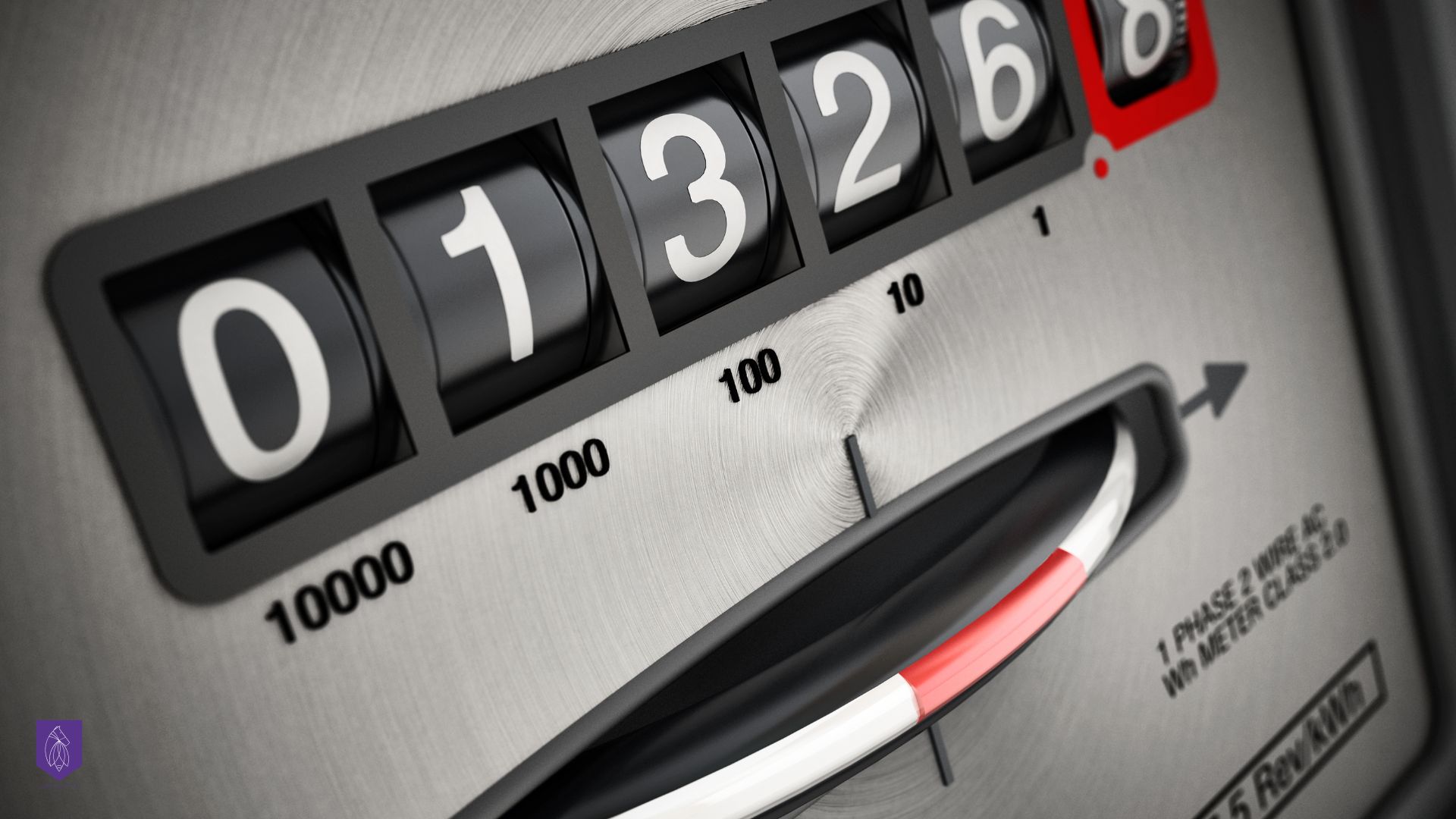
Electricity costs in the Philippines are among the highest in Asia, and many households and businesses are looking for smarter, more sustainable ways to manage their energy use. One of the most effective solutions available today is net metering. This government‑backed program allows solar energy users to offset their electricity bills by exporting excess power back to the grid. If you’re considering solar, understanding how net metering works in the Philippines is essential to maximizing your savings and energy independence.
What is Net Metering?
Net metering is a billing system that credits solar panel owners for the electricity they generate but don’t consume. When your solar panels produce more energy than your household or business needs, the surplus is sent to the utility grid. In return, you receive credits that reduce your future electricity bills.
How Net Metering Works in the Philippines
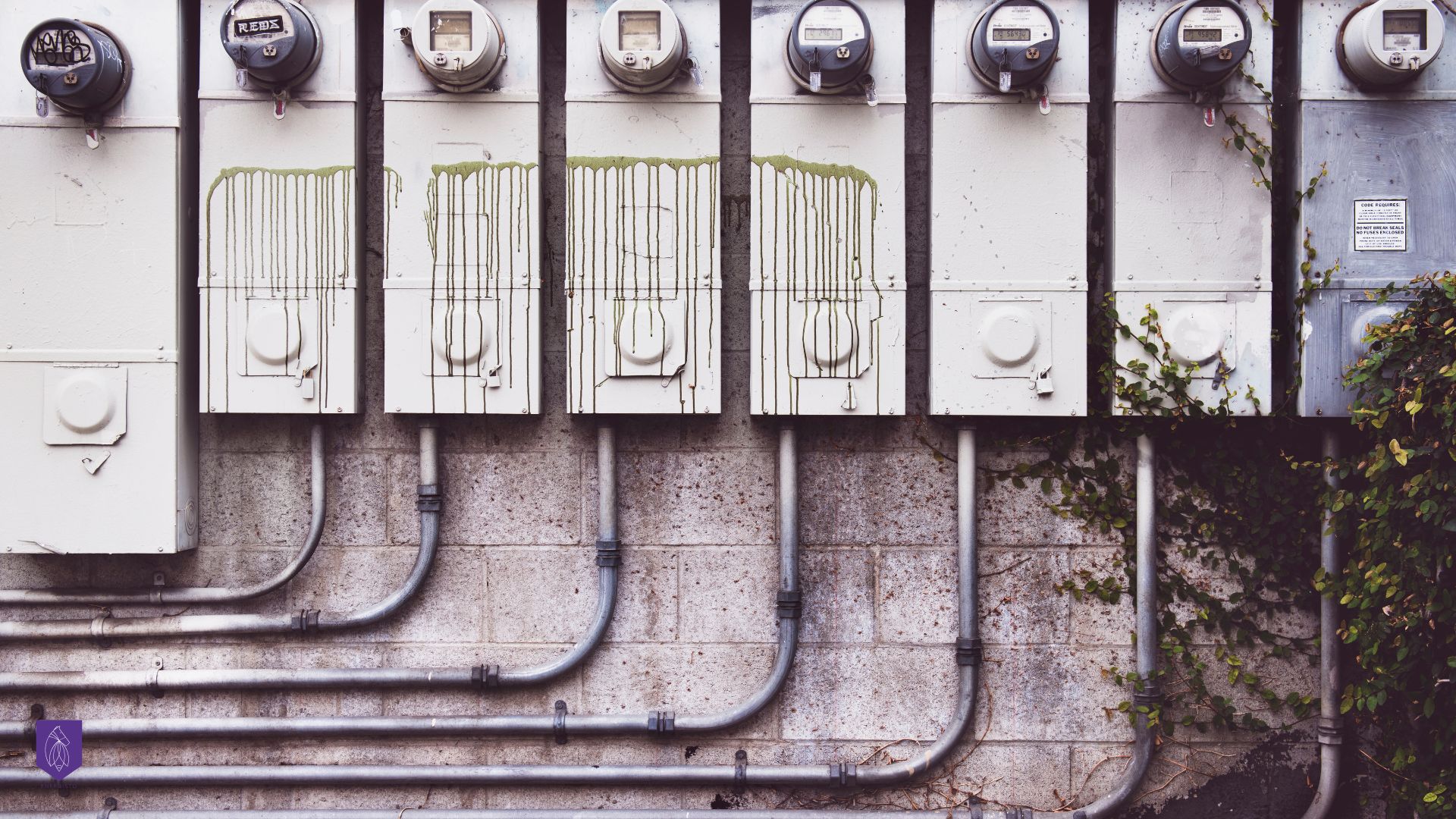
In the Philippines, net metering is governed by the Renewable Energy Act of 2008. Residential and commercial customers with solar systems up to 100 kW can participate. Your utility provider installs a bi‑directional meter that tracks both the electricity you import from the grid and the excess energy you export. Each month, your bill reflects the “net” difference — meaning you only pay for what you actually consume beyond your solar production.

Benefits of Net Metering for Solar Users
- Lower Electricity Bills: Reduce monthly expenses by offsetting grid consumption.
- Faster ROI: Earn credits that speed up the payback period of your solar investment.
- Energy Independence: Rely less on fluctuating utility rates.
- Environmental Impact: Support the Philippines’ transition to renewable energy.
How to Apply for Net Metering with Your Utility Provider
1. Consult a solar installer like Energisto.ph to design your system.
2. Submit requirements (system design, permits, and application forms) to your utility provider.
3. Inspection & Approval: The utility will inspect your system and install a bi‑directional meter.
4. Start Saving: Once approved, you can export excess energy and enjoy bill credits.

Common Questions and Misconceptions
1. Is net metering only for big businesses?
No — even small households can benefit.
2. Do solar panels stop working on cloudy days?
They still generate power, just at reduced efficiency.
3. Is billing complicated?
Utility providers simplify the process, and your credits appear directly on your bill.
Net metering in the Philippines is a powerful way to cut costs, gain energy independence, and contribute to a cleaner future. If you’re ready to take advantage of this program, Energisto.ph can guide you through every step — from system design to application and installation.
Renewable. Reliable. Efficient.
Powering a brighter future with clean, renewable, and efficient solar energy. Make the switch today!


